
Golf Bags in Islip Terrace, NY
The Right Bag Changes Everything

Hear from Our Customers

Premium Golf Equipment Islip Terrace
You know the frustration. Clubs tangled together, straps cutting into your shoulders, bags that tip over every time the wind picks up. The right golf bag doesn’t just carry your clubs—it organizes your entire game.
When your equipment works the way it should, everything flows better. Your clubs stay protected and organized. You spend less time fumbling around and more time focused on your shots. Whether you’re walking eighteen at Bethpage or grabbing a quick nine after work, the right bag makes every round smoother.
No more bent shafts from clubs clanking together. No more sore shoulders from poorly designed straps. Just clean, organized access to exactly what you need, when you need it.
Nassau Golf Islip Terrace NY
We understand what works on Long Island courses. We’ve been helping golfers in Islip Terrace and surrounding communities find equipment that actually improves their game, not just fills their garage.
The thing about golf equipment is this: what works at one course might not work at another. Long Island’s mix of links-style layouts and traditional parkland courses demands versatility. Our customers play everywhere from Bethpage to the local municipal courses, and they need bags that handle it all.
We don’t sell you the most expensive option. We sell you the right option. The bag that matches how you play, where you play, and what you need from your equipment.
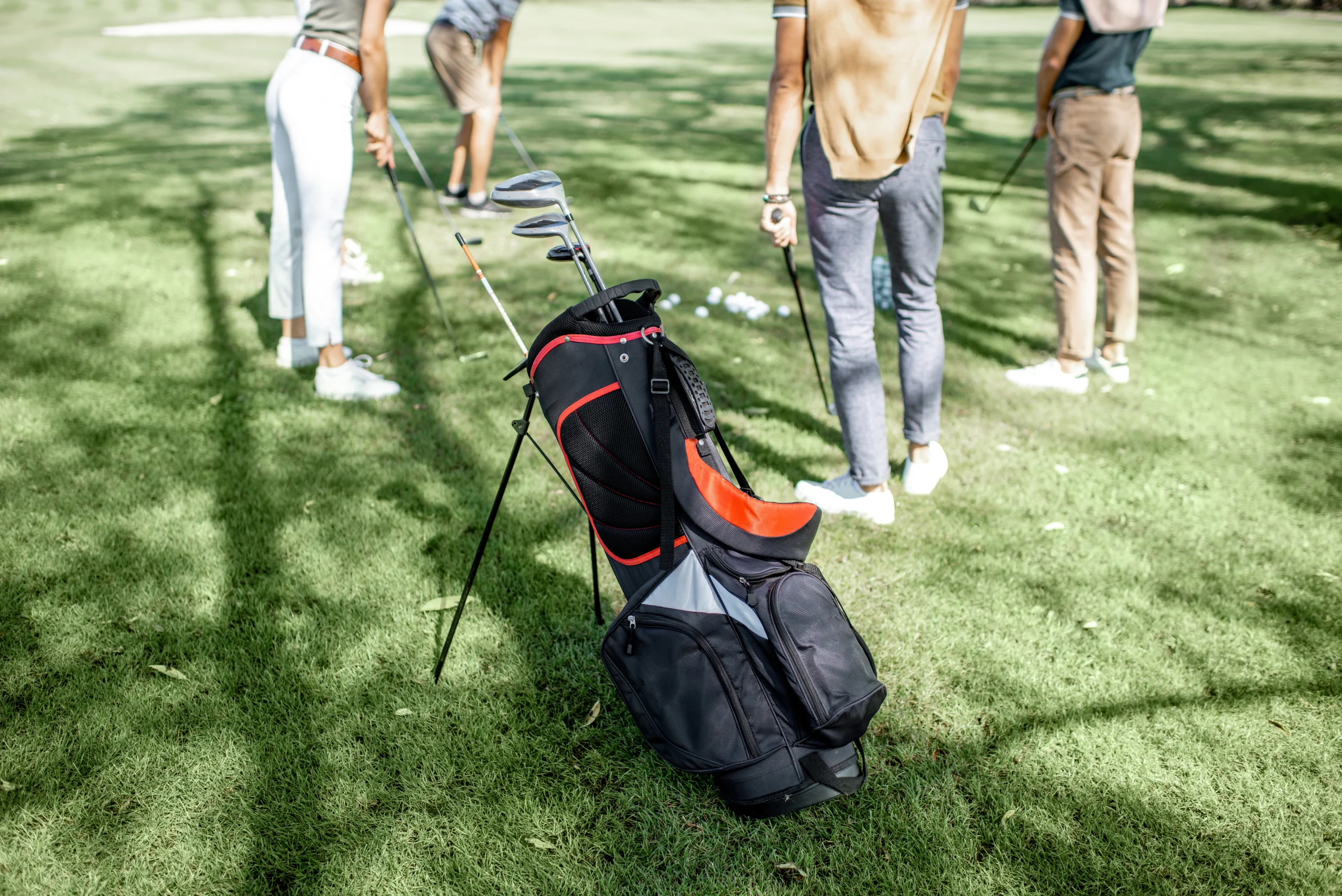
Golf Bag Selection Islip Terrace
First, we talk about how you actually play. Do you walk most rounds or ride? Are you hitting the range twice a week or just playing weekend rounds? Do you carry fourteen clubs or prefer a lighter setup?
Next, we look at what’s not working with your current setup. Maybe your stand mechanism broke after six months. Maybe your cart bag doesn’t fit properly in push carts. Maybe you’re tired of clubs getting scratched up because the dividers are too short.
Then we match you with bags that solve those specific problems. Stand bags with lifetime-guaranteed mechanisms for walkers. Cart bags with proper weight distribution for riders. Hybrid options for golfers who do both.
You’ll handle the bags, test the features, and understand exactly why each design choice matters for your game. No guesswork. No buyer’s remorse. Just equipment that works the way you need it to.
Ready to get started?
Golf Bags Cart Bags Stand Bags
Stand bags work for golfers who walk courses or mix walking with cart rounds. The retractable legs keep your bag upright and stable on any terrain, while dual shoulder straps distribute weight evenly. Most feature 4-6 pockets for essentials without adding bulk.
Cart bags are built for golfers who primarily ride. They’re larger, with 8-10 pockets for extra gear, and designed to sit securely on cart backs without shifting. The flat base provides stability when placed on the ground, though they’re heavier than stand bags.
Here in Islip Terrace, we see golfers who play both styles depending on the course and conditions. That’s where hybrid bags make sense—combining stand functionality with cart-friendly features. They work at Bethpage when you’re walking, and at your local course when you’re riding.
The key is matching the bag to your primary playing style while ensuring it can handle your occasional rounds differently. Long Island golfers need that flexibility.

What's the difference between stand bags and cart bags for Long Island courses?
Stand bags are designed for walking and feature retractable legs that keep the bag upright when set down. They’re lighter (typically 3-6 pounds) with comfortable dual shoulder straps and fewer pockets to reduce weight. Cart bags are built for riding, with flat bases that sit securely on cart backs, more storage pockets (8-10 versus 4-6), and heavier construction since weight isn’t a concern.
For Long Island golfers, the choice often depends on where you play most. If you’re walking courses like Bethpage or the Nassau County courses regularly, a stand bag makes sense. If you primarily ride at private courses or use push carts, a cart bag’s extra storage and stability work better.
The terrain here also matters. Our courses can be hilly and uneven, so stand bags need reliable leg mechanisms that won’t fail on slopes. Cart bags need secure attachment systems that won’t shift during cart rides over bumpy fairways.
How many club dividers do I actually need in my golf bag?
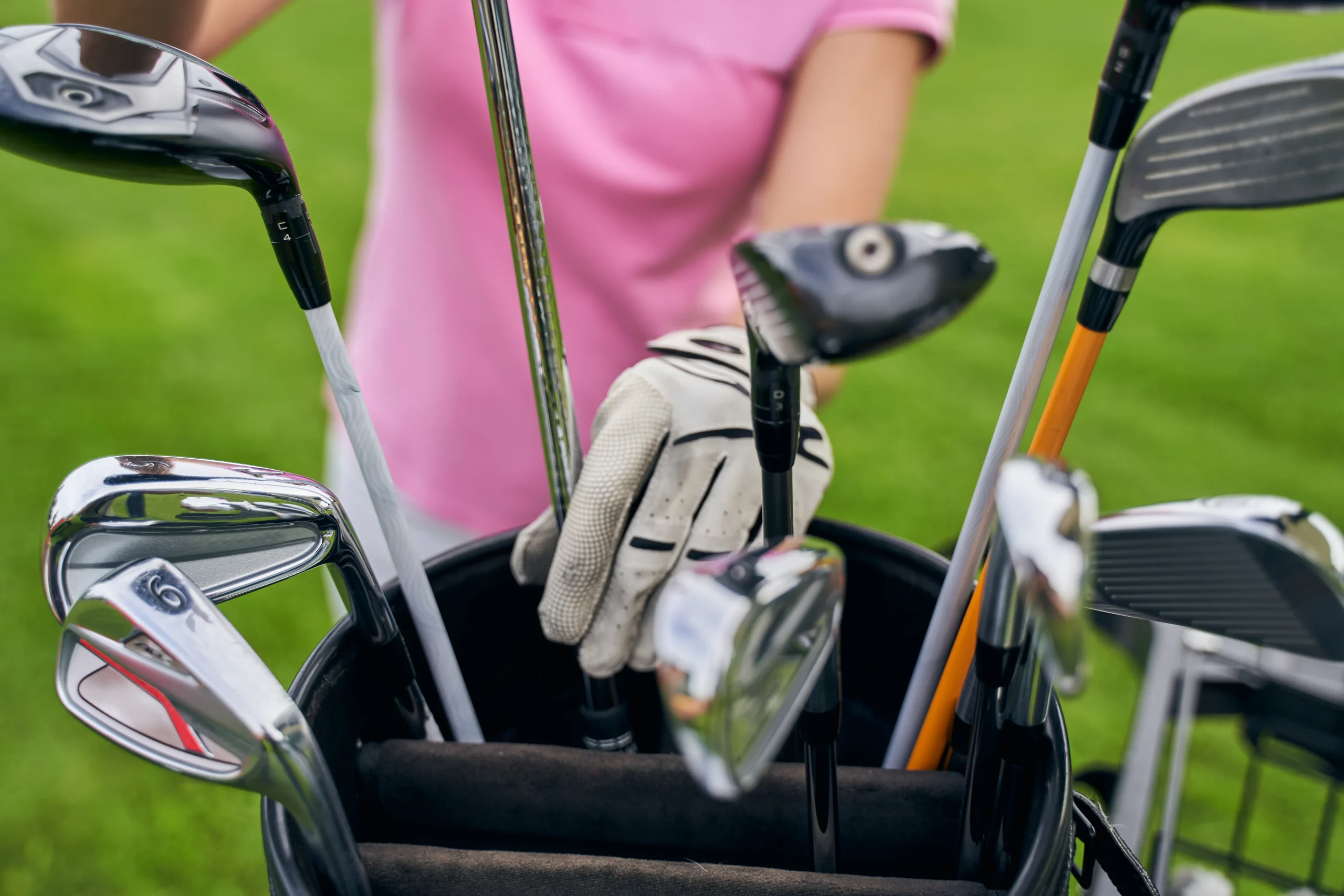
Most golfers do fine with 6-8 dividers, but it depends on how you organize and protect your clubs. Full-length dividers that run the entire length of the bag prevent clubs from tangling and reduce shaft wear, which is more important than the total number of dividers.
If you carry a full 14-club set with multiple wedges, you might want individual slots for each club. But many golfers group similar clubs together—putters separate, irons in 2-3 sections, woods together. This approach works well with 6-way dividers and keeps the bag lighter.
The key is preventing your clubs from banging against each other during transport. Long Island courses often require cart rides over rough paths, so proper club separation matters more here than on perfectly smooth cart paths. Quality dividers with full-length protection beat numerous shallow dividers every time.
Are waterproof golf bags worth it for Long Island weather?
Absolutely, especially given Long Island’s unpredictable weather patterns and proximity to water. Even if you check the forecast, conditions can change quickly when you’re near the coast. A sudden shower can soak through regular bag materials and reach your clubs and accessories.
Waterproof bags protect more than just your clubs. Your rangefinder, extra balls, gloves, and personal items stay dry. The zippers and seams are sealed, so water doesn’t seep in during transport or storage. This matters when you’re playing courses like those near the Great South Bay where humidity and moisture are constant factors.
The investment pays off in club protection alone. Water can cause rust on club faces and damage to grips. It can ruin electronics like GPS devices or rangefinders. Quality waterproof materials also tend to be more durable overall, so the bag lasts longer even in dry conditions.
What size golf bag works best for push cart users?
Push cart users have the most flexibility since weight isn’t a major concern, but bag design still matters. Look for bags with a flat or stable base that won’t rock on the cart platform. The bag should have attachment points or straps that secure properly to your specific push cart model.
Cart-style bags often work best because they’re designed to sit securely on wheeled platforms. However, many stand bags also work well on push carts, giving you the option to carry the bag for shorter walks to the first tee or practice green.
Consider pocket placement too. You want easy access to frequently used items while the bag is mounted on the cart. Front-facing pockets work better than side pockets that might be blocked by the cart’s frame. The bag should also balance properly when loaded with your typical equipment, so the push cart handles well on Long Island’s varied terrain.
How do I know if a golf bag will fit in my car?
Measure your trunk or cargo area first, then compare those dimensions to bag specifications. Most standard golf bags are 35-36 inches long, but cart bags can be wider and bulkier than stand bags. Consider both the bag’s dimensions and how much space your clubs add when fully loaded.
Think about how you’ll load and unload the bag too. Some cars require you to fold down rear seats to fit longer bags. Others have wide trunk openings that accommodate bulky cart bags easily. SUVs and hatchbacks generally offer more flexibility than sedans with smaller trunk openings.
If you’re between two bags and one fits your car better, that practical consideration often outweighs minor feature differences. You’ll be loading and unloading your bag for every round, so make sure the process is convenient. Many golfers underestimate how much easier golf becomes when your equipment fits properly in your vehicle.
What's the typical lifespan of a quality golf bag?
A well-made golf bag should last 5-10 years with regular use, but this depends heavily on how you treat it and what features matter most. The stand mechanism on stand bags is usually the first thing to wear out, especially if you play frequently on courses with uneven terrain.
Cart bags often last longer because they have fewer moving parts, but zippers and pocket materials can wear out from constant use. The key is buying quality construction upfront—reinforced stitching, durable zippers, and reliable hardware. Cheaper bags might save money initially but often need replacement within 2-3 years.
Consider your playing frequency too. If you play twice a week year-round, even a premium bag will show wear faster than one used occasionally. But quality bags age better, maintaining their appearance and functionality longer. The investment in a better bag usually pays off in both durability and daily convenience over time.
Useful Links
- Link 1
- Link 2
- Link 3
- Link 4
Other Services we provide in Islip Terrace