
Golf Bags in Oyster Bay Cove, NY
Premium Golf Bags for Serious Players

Hear from Our Customers

Professional Golf Equipment Oyster Bay Cove
You’ve invested thousands in your clubs. Now they need a bag that matches that investment – not something that’ll leave your driver rattled after eighteen holes at Bethpage or the Town of Oyster Bay course.
The right golf bag transforms your game experience. No more digging through cramped pockets for your rangefinder while your playing partners wait. No more arriving at the first tee with wet clubs because your bag couldn’t handle Long Island’s morning dew.
Quality bags organize your equipment properly, protect it from the elements, and actually make your rounds more enjoyable. When everything has its place and stays secure, you focus on golf instead of gear management.
Nassau Golf Equipment Specialists
We understand what works on Long Island courses because we’ve been serving golfers in Nassau County for years. We know the conditions you face – from the challenging layout at Oyster Bay Golf Course to the prestige of nearby Bethpage.
This area is the birthplace of American golf. Shinnecock opened here in 1891, and we’ve inherited that tradition of excellence. When you’re playing where golf history was made, your equipment should reflect that heritage.
We work with golfers who appreciate quality and understand the difference between adequate gear and equipment that enhances their game. That’s why we focus on premium brands and proven designs that perform round after round.
Golf Bag Selection Process
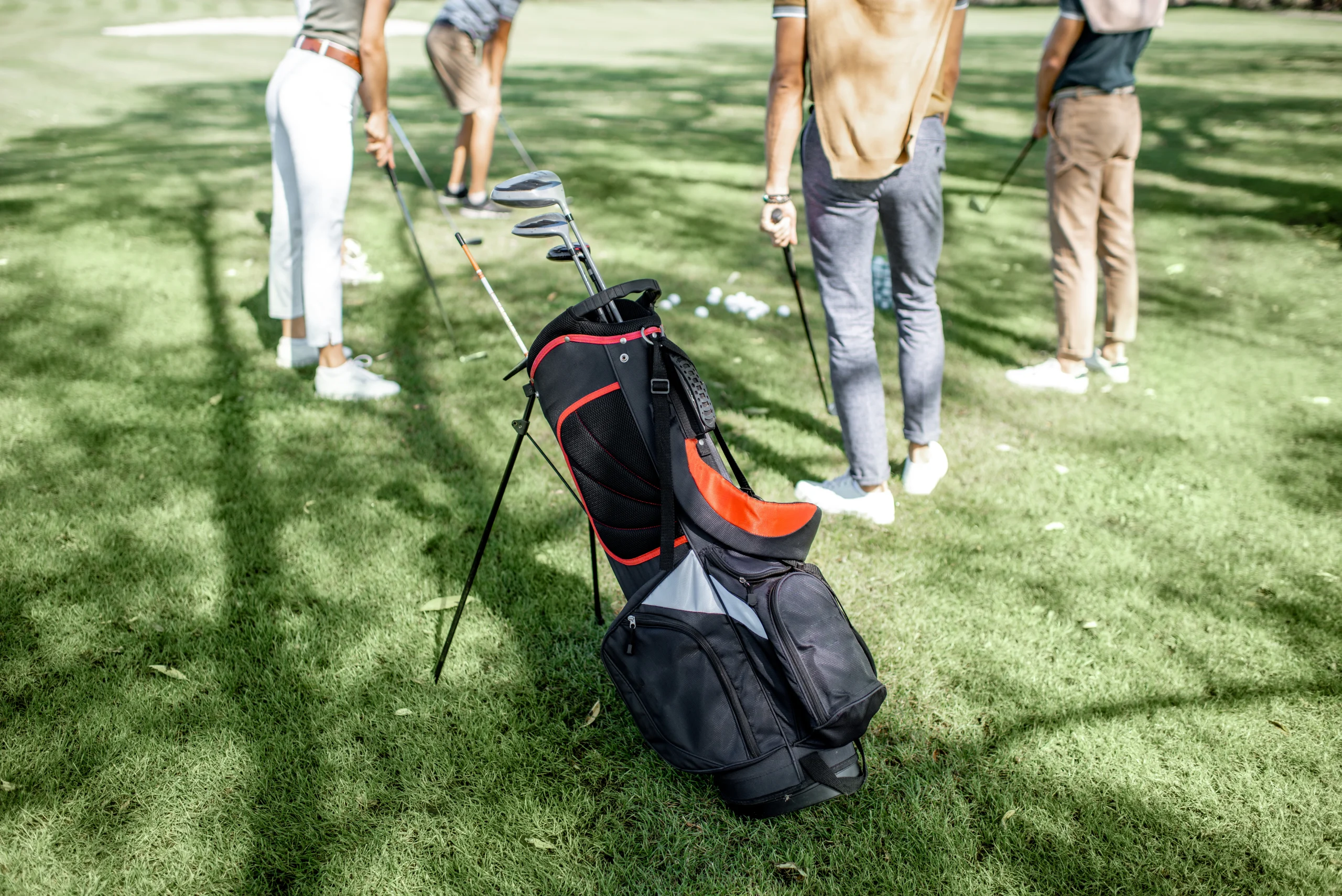
First, we assess how you actually play. Do you walk most rounds or ride in carts? Are you carrying a full 14-club set or playing with fewer clubs? Understanding your playing style determines whether you need a lightweight stand bag or a feature-rich cart bag.
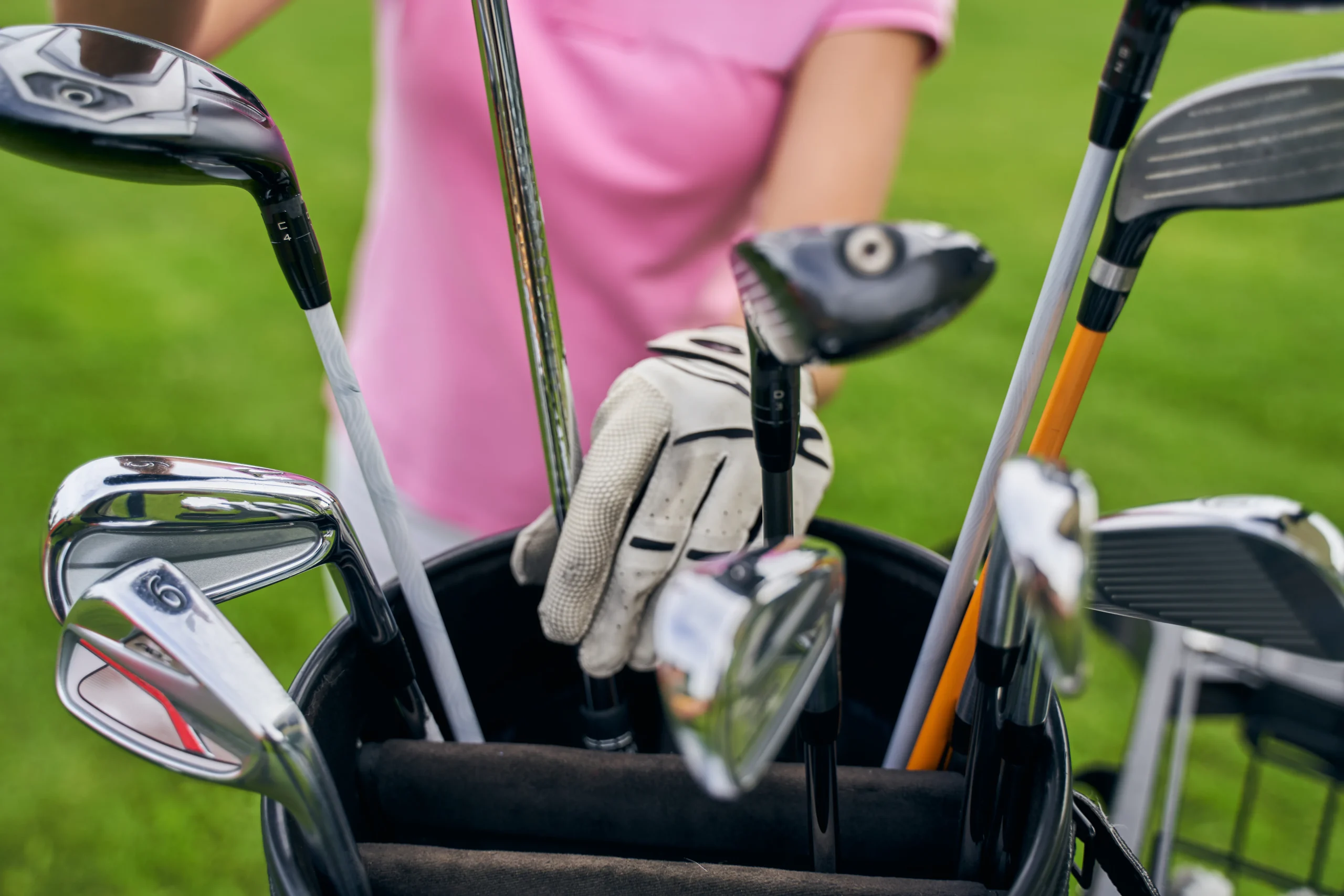
Next, we look at your equipment. Players with expensive iron sets need bags with individual club dividers to prevent scratching. If you carry multiple wedges, you’ll want easy-access pockets. Your bag should complement your gear, not compromise it.
Finally, we consider your local courses. Nassau County courses have their own demands – morning dew at harbor-side courses, challenging terrain at hilly layouts, and the prestige factor at premium facilities. Your bag needs to handle these specific conditions while maintaining the professional appearance these courses expect.
Ready to get started?
Golf Bag Features and Options
Premium golf bags start with materials that last. Look for reinforced stitching, quality zippers, and fabrics that resist wear from constant cart mounting and dismounting. Cheap bags fall apart after a season of regular play – exactly when you don’t want equipment failures.
Organization matters more than most golfers realize. Individual club dividers prevent expensive graphite shafts from banging together. Dedicated pockets for balls, tees, gloves, and accessories keep everything accessible without fumbling. A good bag has a place for everything you actually carry.
In Nassau County’s variable weather, water resistance isn’t optional. Morning dew, afternoon showers, and humidity from Long Island Sound all threaten your equipment. Quality bags include rain hoods, sealed zippers, and materials that shed moisture instead of absorbing it. Your clubs stay dry, your grips stay tacky, and your electronics stay functional.

What's the difference between cart bags and stand bags for Nassau County courses?
Cart bags are designed for golfers who primarily use golf carts, offering more storage space and easier access to clubs while mounted on carts. They typically feature cart strap pass-throughs and molded bases for stability. These work well at courses like Bethpage or Glen Cove where cart usage is common.
Stand bags have built-in legs that allow the bag to stand upright when placed on the ground, making them ideal for golfers who prefer walking courses. They’re typically lighter and more portable. Given that many Nassau County courses offer both walking and cart options, stand bags provide versatility for players who like to mix their playing style depending on the course and conditions.
How do I protect expensive clubs in a golf bag?
Individual club dividers are essential for protecting expensive clubs, especially graphite-shafted drivers and irons. These dividers prevent clubs from banging together during transport and play, which can cause scratches, dents, or even shaft damage over time.
Look for bags with full-length dividers that extend the entire depth of the bag, not just at the top. Padded dividers offer additional protection. For premium club sets, some golfers prefer bags with 14-way dividers – one slot for each club – ensuring complete separation.
Also consider bags with reinforced club wells and protective materials around high-wear areas. Quality bags use materials that won’t abrade your club finishes, and some include protective sleeves or covers for particularly valuable clubs.
What storage features matter most for Long Island golf?
Long Island’s variable weather makes waterproof storage critical. Look for bags with sealed pockets for electronics like rangefinders and phones, plus dedicated dry storage for scorecards and tees. Many quality bags include rain hoods that cover the entire club area.
Ball storage should be easily accessible – you don’t want to dig through zippers while playing partners wait. Separate pockets for different ball types (practice vs. premium) help organize your round. Tee storage should keep different tee heights separated and easily accessible.
Consider bags with insulated cooler pockets for drinks during summer rounds, and exterior attachment points for towels, gloves, and other frequently used items. The key is having everything you need within easy reach without cluttering the bag’s organization.
How important is bag weight for walking Nassau County courses?
Bag weight becomes crucial on hilly courses like the Town of Oyster Bay Golf Course or when walking 18 holes in summer heat. Every pound matters when you’re carrying clubs for four hours, especially on courses with elevation changes common in Nassau County.
Modern lightweight bags use advanced materials like ripstop nylon and carbon fiber components to reduce weight without sacrificing durability. A quality lightweight bag typically weighs 3-5 pounds empty, compared to 6-8 pounds for traditional bags. With a full set of clubs, that difference significantly impacts fatigue levels.
However, don’t sacrifice essential features for weight savings. Proper padding, adequate storage, and durable construction matter more than shaving off every possible ounce. The best approach is finding bags that optimize the weight-to-feature ratio rather than simply choosing the lightest option available.
What golf bag brands work best for serious players?
Premium brands like Titleist, Callaway, TaylorMade, and PING offer golf bags designed for serious players who demand both performance and durability. These manufacturers understand that their bags need to match the quality of the clubs they’re protecting, so they use superior materials and construction methods.
Professional-grade bags typically feature reinforced stitching, premium zippers, and materials that withstand constant use. They often include advanced organization systems, weather protection, and ergonomic designs that reduce fatigue during long rounds. The investment pays off through years of reliable performance.
However, the “best” brand depends on your specific needs. Some players prefer Titleist’s clean, professional aesthetic, while others choose Callaway for innovative storage solutions. The key is selecting a bag from a manufacturer with a proven track record in golf equipment, ensuring replacement parts and warranty support when needed.
How do I maintain a golf bag for Long Island conditions?
Regular cleaning prevents Long Island’s salt air and humidity from degrading your bag’s materials. After coastal rounds, wipe down zippers and hardware with a damp cloth to remove salt residue. Allow bags to dry completely before storage to prevent mold and mildew in humid conditions.
Clean fabric areas with appropriate cleaners – leather bags need different care than synthetic materials. Treat zippers with zipper lubricant periodically, especially after exposure to sand or salt air. Check stitching regularly and address any loose threads before they become larger problems.
Store bags in climate-controlled areas when possible. Extreme temperature changes in garages or car trunks can damage materials and affect zipper function. During off-season storage, stuff bags lightly with newspaper or cloth to maintain shape, but ensure adequate ventilation to prevent moisture buildup.
Useful Links
- Link 1
- Link 2
- Link 3
- Link 4
Other Services we provide in Oyster Bay Cove